Source Underwear Storage Box for Wardrobe, Bathroom, and Living Room
Compare 30 available options for the Underwear Storage Box designed to organize clothes, socks, and accessories. These fabric units offer foldable, stackable designs with divided compartments for efficient space saving in wardrobes, bathrooms, and living rooms.
Key considerations
Products List
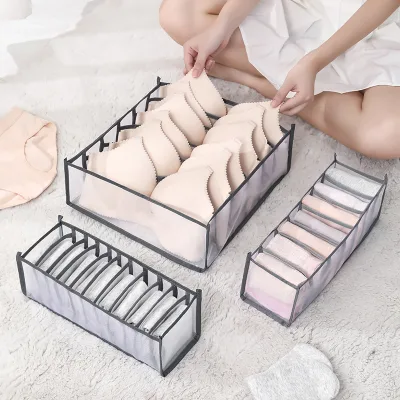
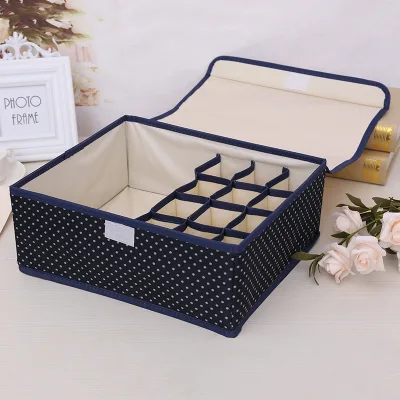
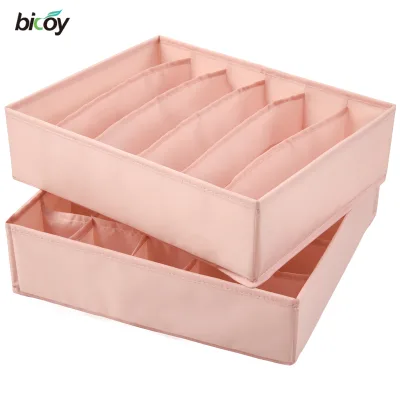
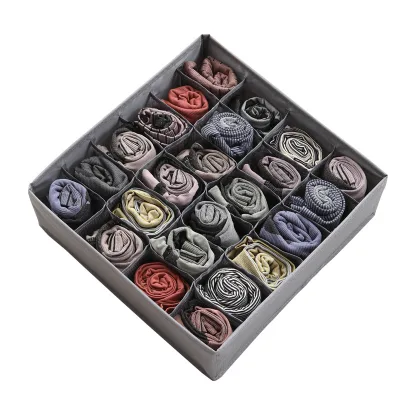


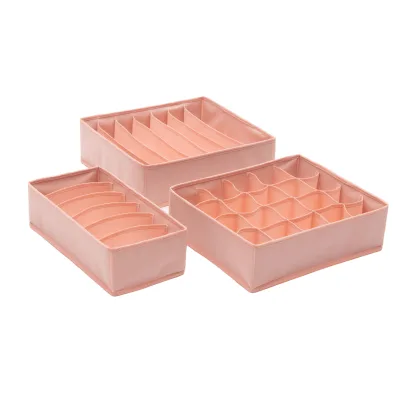
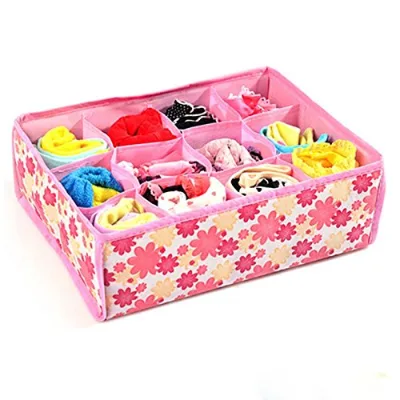
Foldable Dustproof Fabric Washable Underwear Storage Organizer with a Lid
$2.36 - $2.71
MOQ: 1000 Pieces




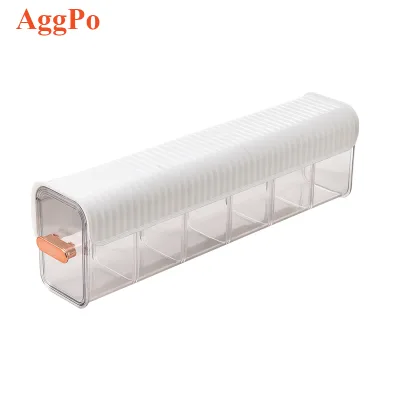

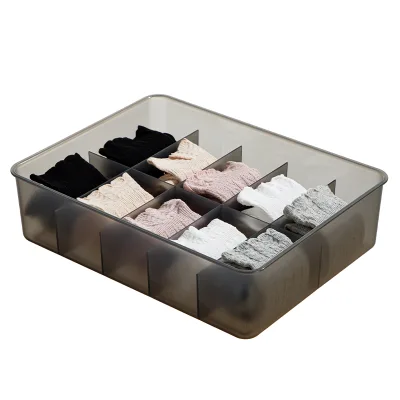

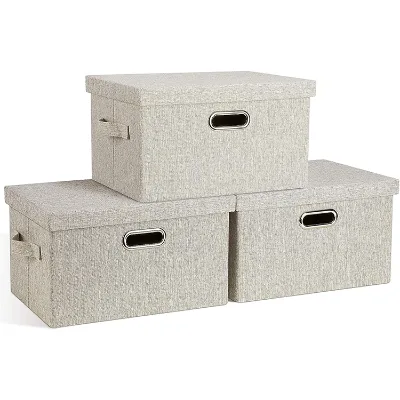
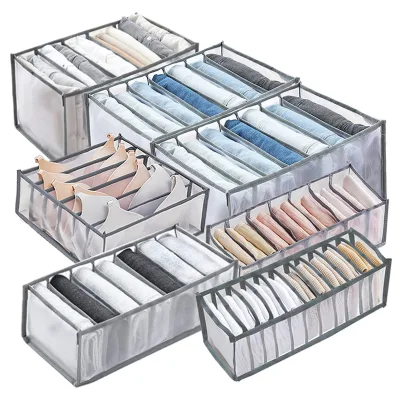
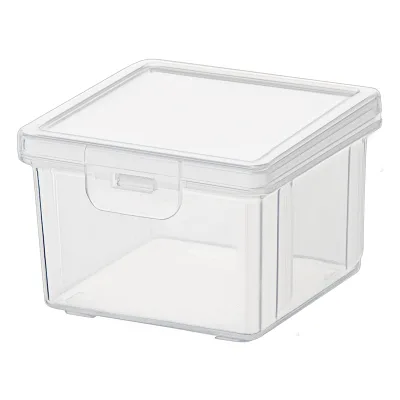
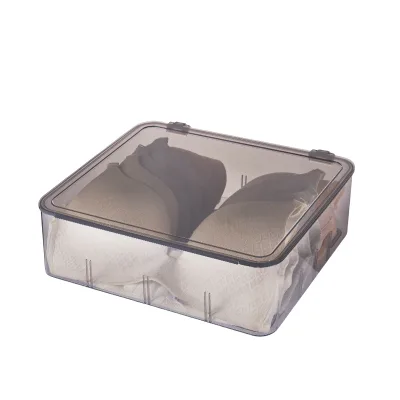

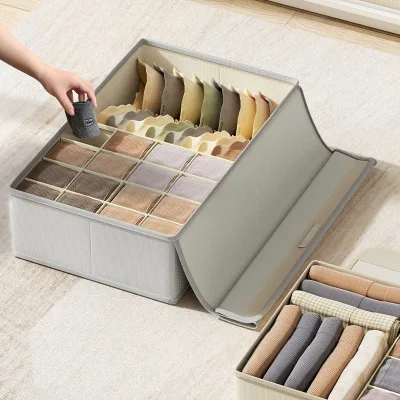
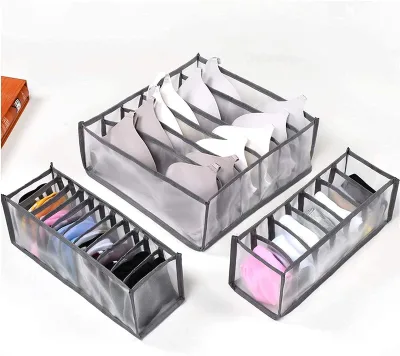
Comprehensive Sourcing Guide
Strategic Sourcing Guide for Underwear Storage Boxes
Understanding Product Specifications and Technical Attributes
When sourcing underwear storage boxes, buyers must first establish a clear understanding of the technical specifications that define the product's utility and physical constraints. The core product category is identified as a storage box designed specifically for organizing intimate apparel, socks, ties, and related sundries. These units are typically constructed from nylon fabric, a material choice that offers a balance between durability and flexibility. The fabric type is critical for the product's ability to maintain its shape while remaining lightweight and easy to clean.
The physical dimensions of these storage units vary significantly across different listings, requiring precise verification during the sourcing process. Observed specifications indicate a standard single package size ranging from 40x30x15 cm to 40x30x20 cm. The internal capacity is often cited as 35 liters, providing substantial volume for household organization. However, specific product dimensions can differ, with some units measuring 32x32x12 cm or 32x26x12 cm. This variance necessitates that buyers confirm the exact internal and external measurements against their available storage space, whether it be a wardrobe, under-bed area, or drawer.
The structural design of these boxes often includes a multi-storey configuration, allowing for vertical stacking to maximize space efficiency. The installation type is predominantly standing, meaning the unit supports its own weight without requiring wall mounting. A key technical feature is the foldable nature of the product, which allows for compact storage when not in use. The shape is consistently rectangular, facilitating neat alignment within cabinets. Tolerance levels for these products are also a critical technical consideration; dimensional tolerance is observed at less than ±5mm for general specifications, with some high-precision variants claiming a tolerance of less than ±1mm. Weight tolerance is similarly regulated, typically staying within a ±5% range to ensure consistency in shipping and handling.
Compliance, Certification, and Material Verification
In the realm of B2B procurement, verifying compliance and material safety is paramount, especially for products intended for personal storage. While the supplied data does not explicitly confirm a specific certification status for every unit, buyers should be aware that the fabric used is nylon, which is generally considered eco-friendly in many manufacturing contexts. However, "eco-friendly" is a broad term, and procurement teams should request specific documentation regarding the environmental impact of the dyeing and weaving processes.
One notable point in the background information is the mention of FSC (Forest Stewardship Council) certification. While this is listed as a low-confidence background item and should not be treated as a guaranteed attribute of the supplied products, it serves as a reminder that buyers in the sustainable goods sector should actively inquire about forestry-related certifications if the packaging or any composite materials involve wood pulp or paper. For the nylon fabric itself, buyers should verify that the material meets relevant textile safety standards for the target market, such as restrictions on harmful dyes or heavy metals.
Certification checks should also extend to the manufacturing facility's adherence to labor standards and quality management systems. Since the products are OEM/ODM acceptable, the supplier's ability to customize the product while maintaining compliance with international standards is a vital evaluation point. Buyers must ensure that any customized logos or colors do not introduce non-compliant materials, such as lead-based inks for printing. The absence of explicit certification data in the primary product facts means that the burden of verification falls on the buyer to request certificates of analysis (CoA) or third-party test reports before placing large orders.
Cost Drivers and Pricing Dynamics
The pricing structure for underwear storage boxes is influenced by several key variables, including material quality, customization levels, and order volume. The observed price range for these products spans from $0.30 to $7.00 USD per unit. This wide disparity suggests that the final cost is heavily dependent on the specific configuration and the level of service provided. Lower-priced units likely represent standard, non-customized items with basic nylon fabric and minimal packaging. Conversely, the higher end of the price spectrum likely accounts for custom colors, specialized printing, enhanced durability features, or premium packaging solutions.
Minimum Order Quantity (MOQ) is another significant cost driver. The observed MOQ range varies from 5 units to 3,000 units. This flexibility allows buyers to scale their orders based on immediate needs or long-term inventory strategies. Small MOQs are beneficial for testing market response or for buyers with limited storage capacity, while larger MOQs typically unlock lower per-unit costs. However, buyers must balance the savings from bulk purchasing against the capital tied up in inventory and the logistics costs associated with shipping larger volumes.
Other factors influencing cost include the complexity of the design. Units with multi-tiered structures, foldable mechanisms, or specific division features may command a higher price due to the additional labor and tooling required. The inclusion of services such as 24-hour online support or custom logo application also adds to the overall cost. Buyers should request a detailed breakdown of costs to understand how much of the price is attributed to raw materials, manufacturing, and value-added services.
Typical Applications and Functional Versatility
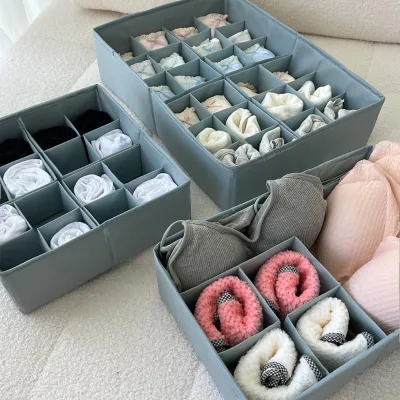
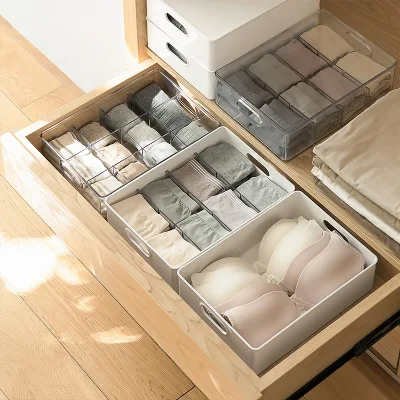
The versatility of underwear storage boxes makes them suitable for a wide array of applications beyond their primary function. While the core application is the storage of underwear, bras, socks, and ties, the scope of application extends to stationery, mobile phones, cosmetics, toys, and general sundries. This multifunctional capability allows the product to be utilized in various settings, including bathrooms, living rooms, wardrobes, cars, bedrooms, studies, under beds, storage rooms, and drawers.
The functional design emphasizes space-saving and organization. The divided storage feature allows users to separate different types of items, preventing tangling and making it easier to locate specific items. The stackable nature of the boxes enables vertical organization, which is particularly valuable in compact living spaces or commercial environments where floor space is limited. The modern and Japanese-style aesthetics of these products make them visually appealing, allowing them to blend seamlessly into contemporary home decor or professional office environments.
The load-bearing capacity is another critical aspect of their application. Products are observed to support loads greater than 10kg, ensuring that they can hold a significant amount of clothing or other items without collapsing. This structural integrity is essential for the "standing type" installation, where the box must remain upright under the weight of its contents. The glossy technics applied to the fabric not only enhance the visual appeal but may also provide a degree of water resistance, making the boxes suitable for use in humid environments like bathrooms.
Supplier Evaluation and Service Capabilities
Selecting the right supplier is a critical step in the procurement process. Buyers should evaluate potential partners based on their ability to meet the specific requirements of the product, including customization, lead times, and after-sales support. The observed product attributes indicate that suppliers are generally open to OEM (Original Equipment Manufacturer) and ODM (Original Design Manufacturer) requests, allowing for significant customization of logos, colors, and dimensions.
Service capabilities are a key differentiator among suppliers. The availability of 24-hour online service or 24-hour service support suggests a commitment to responsiveness and customer care. Buyers should verify the actual availability of this support, including response times and the languages spoken by the support team. The ability to handle customized logos is also a vital service, requiring the supplier to have the necessary printing or embroidery equipment and expertise to ensure high-quality branding.
Geographic location is another factor to consider. The products are noted to originate from Hebei, China, a region known for its manufacturing capabilities. Buyers should assess the logistical implications of sourcing from this location, including shipping times and potential tariffs. While the specific lead times are not provided in the data, buyers should explicitly request this information from suppliers to plan their inventory management effectively.
Quality Control and Long-Term Procurement Considerations
Implementing a robust quality control (QC) strategy is essential to ensure that the received products meet the agreed-upon specifications. Given the observed tolerances for dimensions (<±5mm or <±1mm) and weight (<±5%), buyers should establish clear acceptance criteria based on these metrics. Random sampling during production and pre-shipment inspections are recommended to verify that the products adhere to these tolerances.
Long-term procurement considerations involve building a sustainable relationship with the supplier. This includes ensuring consistent quality over time, managing supply chain disruptions, and adapting to changing market demands. Buyers should consider the environmental impact of the products, particularly regarding the nylon fabric and packaging materials. The "eco-friendly" feature mentioned in the product attributes should be verified through concrete documentation to ensure it aligns with the buyer's sustainability goals.
Furthermore, the scalability of the supplier's operations is crucial. As the buyer's demand grows, the supplier must be able to increase production capacity without compromising quality. The ability to handle varying MOQs, from small test orders to large bulk purchases, indicates a flexible supply chain. Buyers should also consider the potential for product iteration, such as new colors or designs, to keep the product line fresh and competitive in the market.
Comparative Analysis of Product Variants
To aid in decision-making, the following table summarizes the key variations observed in the product specifications:
| Feature | Variant A | Variant B | Variant C |
|---|---|---|---|
| Dimensions | 32x32x12 cm | 32x26x12 cm | 40x30x20 cm (Package) |
| Material | Nylon Fabric | Nylon Fabric | Nylon Fabric |
| Color Options | Black, Grey, Beige | Red, Green, Pink, Blue | Customized Color |
| Capacity | 35L | 35L | 35L |
| Load Capacity | >10kg | >10kg | >10kg |
| Tolerance | <±5mm | <±1mm | <±5mm |
| Style | Modern, Japanese | Modern | Modern |
| Installation | Standing Type | Standing Type | Standing Type |
This comparison highlights the importance of selecting the specific variant that best fits the buyer's operational needs. While the core material and capacity remain consistent, the dimensional variations and tolerance levels can significantly impact the fit within specific storage spaces. The color options also vary, with some suppliers offering a standard palette while others provide full customization.
In conclusion, sourcing underwear storage boxes requires a meticulous approach that balances technical specifications, compliance requirements, cost considerations, and supplier capabilities. By thoroughly evaluating these factors, buyers can secure high-quality products that meet their organizational needs while maintaining a sustainable and efficient supply chain.
FAQs
What material is used for the Underwear Storage Box?
The product is constructed from nylon fabric, which balances durability with flexibility. This material choice allows the box to maintain its shape while remaining lightweight and easy to clean for various storage needs.
How much load can the storage box support?
The storage box is designed to support loads greater than 10kg without collapsing. This structural integrity ensures it remains stable as a standing type unit even when fully loaded with clothes or other items.
Can I get a customized logo on the storage box?
Yes, customized logos are acceptable for this product. Suppliers offer OEM and ODM services, allowing buyers to apply specific branding to the nylon fabric while maintaining the product's functional design and eco-friendly features.
What is the typical minimum order quantity for this item?
The minimum order quantity ranges from 5 to 3000 units depending on the supplier and configuration. This flexibility allows buyers to start with small test orders or scale up to bulk purchases for better pricing.
Where is the product manufactured and what is the origin?
The product originates from Hebei, China, a region known for its manufacturing capabilities. Buyers should consider the logistical implications of sourcing from this location, including shipping times and potential tariffs for their specific destination.
What are the standard dimensions of the single package?
The single package size varies between 40x30x15 cm and 40x30x20 cm across different listings. Specific product dimensions may also be 32x32x12 cm or 32x26x12 cm, so buyers must verify exact measurements against their available space.
Is the storage box foldable and stackable?
Yes, the product features a foldable design that allows for compact storage when not in use. It is also stackable, enabling vertical organization to maximize space efficiency in wardrobes, under beds, or drawers.